







Milwaukee Fence Finders Help Center:
Essential Tools for DIY Fence Installation
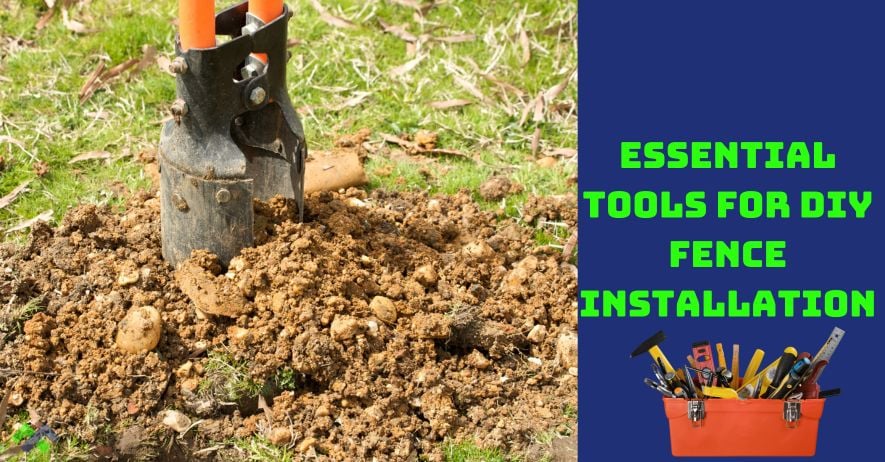
Installing a fence on your own can be a great way to save on labor costs and also provides a gratifying sense of accomplishment. However, it’s not a task to be taken lightly. To ensure a smooth and successful installation, you’ll need a variety of tools. In this article, we will guide you through the essential tools required for a DIY fence installation project.
1. Measuring Tools:
- Tape Measure: Essential for getting accurate measurements of the fence line, posts, panels, and more. A long tape measure (25 feet or more) is usually adequate for most fencing jobs.
- Level: To ensure your fence is straight and level, a high-quality level is indispensable. A standard bubble level is often sufficient, although a laser level can provide greater accuracy over long distances.
- Marking Paint or Stakes: These are used to define the fence line before digging. They help ensure your fence is straight and are especially useful in irregularly shaped yards.
2. Digging and Groundwork Tools:
- Post Hole Digger: This tool is essential for digging post holes. While a manual post hole digger can work, you may want to consider renting a power auger for larger jobs.
- Shovel: Used for clearing the area around the fence line and for adjusting the depth or size of post holes.
- Wheelbarrow: Handy for moving dirt, gravel, or concrete around your work site.
3. Cutting and Fastening Tools:
- Circular Saw: Needed if you have to cut any fence panels, boards, or posts down to size.
- Power Drill and Screws: A power drill is essential for securing fence panels to posts. Using screws instead of nails can provide a more secure and longer-lasting hold.
- Hammer: Still useful for many tasks, like knocking wooden stakes into the ground or for use with nail-in fence brackets.
- Utility Knife: Having a sharp knife, ready to go is key to being efficient in any outdoor project. From cutting open bags of cement to sharpening your pencil – make sure to keep your knife handy! We recommend sharpening your knifes and blades regularly for safe operation. Blade Medic, an online mail-in knife sharpening service makes this easy.
4. Concrete and Mixing Tools:
- Concrete Mix: Required for setting fence posts securely in the ground. Quick-setting concrete mix is often a good choice for fence posts.
- Mixing Tub and Hoe: If you’re mixing your own concrete, these tools are necessary. The tub provides a place to mix the concrete, and the hoe is used to stir it.
5. Safety Equipment:
- Safety Glasses: A must when cutting or drilling to protect your eyes from flying debris.
- Work Gloves: Necessary to protect your hands during various tasks, from handling rough lumber to mixing concrete.
- Ear Protection: Recommended when using loud power tools such as circular saws or power augers.
6. Miscellaneous Tools:
- Pliers and Wire Cutters: Needed if you’re installing a chain-link fence or similar fencing that involves wire tensioning.
- Pry Bar: Useful for removing old fencing or prying apart stuck-together fence panels.
In conclusion, proper fence installation requires a combination of accurate measurements, correct digging, precise cutting, secure fastening, and a focus on safety. By having all the necessary tools in hand, you’ll make the process easier and more efficient, enhancing your chances of a successful project. Always remember, safety comes first, so take your time and don’t rush through your DIY fence installation project.